
 Samples
The Spring Hosting Table: How to Choose the Right Dining Table for Your Home (and Your Life)
Spring is when your dining table starts working overtime with Easter brunch, graduation dinners and Mother’s Day gatherings. Neighbors are stopping by. Family is lingering just a little longer. And suddenly… your table matters more than ever.
Is it big enough? Does it feel sturdy? Can it handle real life including spills, kids, celebrations, everyday meals?
If you’ve ever felt like your current table is “just okay,” spring has a way of revealing it. This guide will help you choose a solid wood dining table that fits your space, your style, and the way you actually live—so when guests gather, everything just feels right.
Why Spring Hosting Exposes the Wrong Table
A table might work fine for everyday meals…until you host. That’s when the problems show up:
- Not enough seating
- Wobbly legs or unstable extensions
- Surfaces that scratch or stain too easily
- A size or shape that disrupts the flow of the room
Spring gatherings deserve better than “making it work.” They deserve a table that was designed for real life from the start.
Step One: Start with How You Host
Before you think about size or wood type, ask yourself one simple question: How do people gather in your home?
Everyday Living:
- Family dinners
- Homework at the table
- Coffee in the morning
Hosting Moments:
- Holiday meals
- Large family gatherings
- Casual get-togethers with friends
Your Style:
- Sit-down vs. buffet-style meals
- Formal vs. relaxed
- Quick meals vs. long conversations
Your answers shape everything, from size to shape to whether you need extension leaves.
Step Two: Get the Size Right (The Simple Fit Formula)
Choosing the right size table is where confidence begins. Here are some simple guidelines:
Seating Guidelines:
- 4 people = 48″ to 60″ table
- 6 people = 60″ to 72″ table
- 8 people = 72″ to 96″ table
- 10+ people = 96″+ or extension table
More information to help you select the right size table is in our blog post: Standard Chair Heights and Dining Table Size Guide
Space Around the Table: Leave at least 36″ between the table and walls or furniture (42–48 inches if you want extra comfort).
Pro Tip: If your space feels tight, consider a table with leaves so you can expand only when needed.
Step Three: Fixed vs. Extendable Table (What’s Right for You?)
This is one of the biggest and most important decisions to make about your dining table.
Fixed, Solid Top Tables:
- Clean, simple design
- Great for everyday use
- Best for consistent seating needs
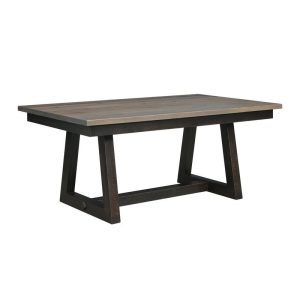
Extendable Tables (Leaves):
- Flexibility for hosting
- Accommodates guests easily
- Ideal for growing families
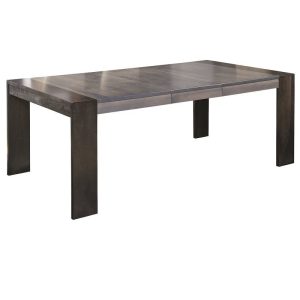
Pro Tip: Always order more extensions than you think you need, as you never know when your family will grow.
Why Amish Craftsmanship Matters Here: Extension tables built by Amish craftsmen are designed for strength, alignment, and long-term durability.
Step Four: Choose the Right Shape for Your Space
Shape affects both function and feeling. Think about how you want people to feel. Close and connected? Or spacious and formal?
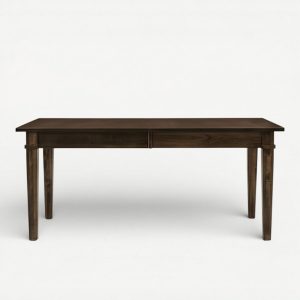
Rectangular Tables:
- Most versatile
- Best for larger rooms
- Works well with extension leaves
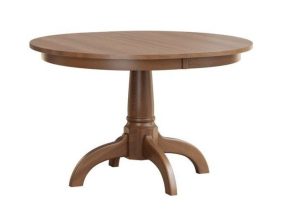
Round Tables:
- Great for conversation
- Ideal for smaller spaces
- No sharp corner
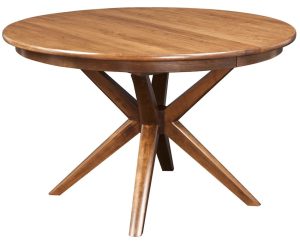
Oval Tables:
- Softens a rectangular room
- Combines flexibility with flow
Step Five: Pick a Wood That Matches Your Lifestyle
This is where your table becomes truly one-of-a-kind. With solid wood furniture, you’re not just choosing a color, you’re choosing character.
Popular Hardwood Choices:
- Oak: Strong, durable, visible grain
- Cherry: Smooth, rich tones that deepen over time
- Brown Maple: Clean, modern look with subtle grain
- Walnut: Deep, luxurious color
Why Solid Wood Wins:
- Handles everyday use beautifully
- Can be refinished over time
- Develops a natural patina
- No two tables are ever exactly the same
Spring brings sunlight, gatherings, and real-life use. Solid wood is built for all of it.
Step Six: Choose a Finish That Works for Spring (and Beyond)
Spring hosting means spills, warm dishes, fresh flowers and sunlight through the windows. A quality finish protects your table while enhancing the wood’s natural beauty. A quality finish is easy to clean, resistant to everyday wear, and able to age gracefully. We can help you choose a finish that fits your lifestyle, not just your style.
The Moment It All Comes Together
There’s something special about the first gathering around a new table. The chairs fill. The conversation starts. Plates are passed. Time slows down.
And you realize that this table isn’t just furniture. It’s where your life happens. That’s the difference with a handcrafted Amish dining table. It’s built for the moments that matter most.
Make this the season your dining space truly comes together.
Let’s Find Your Perfect Spring Hosting Table
Choosing the right table doesn’t have to feel overwhelming. We’re here to help you fine the perfect size, shape, wood, finish and customizations.
- Connect with us via phone or chat. We deliver throughout the United States.
- Visit a Showroom.

This post was originally published on July 25th, 2013. It was updated on January 30th, 2025. If you have spoken Read more
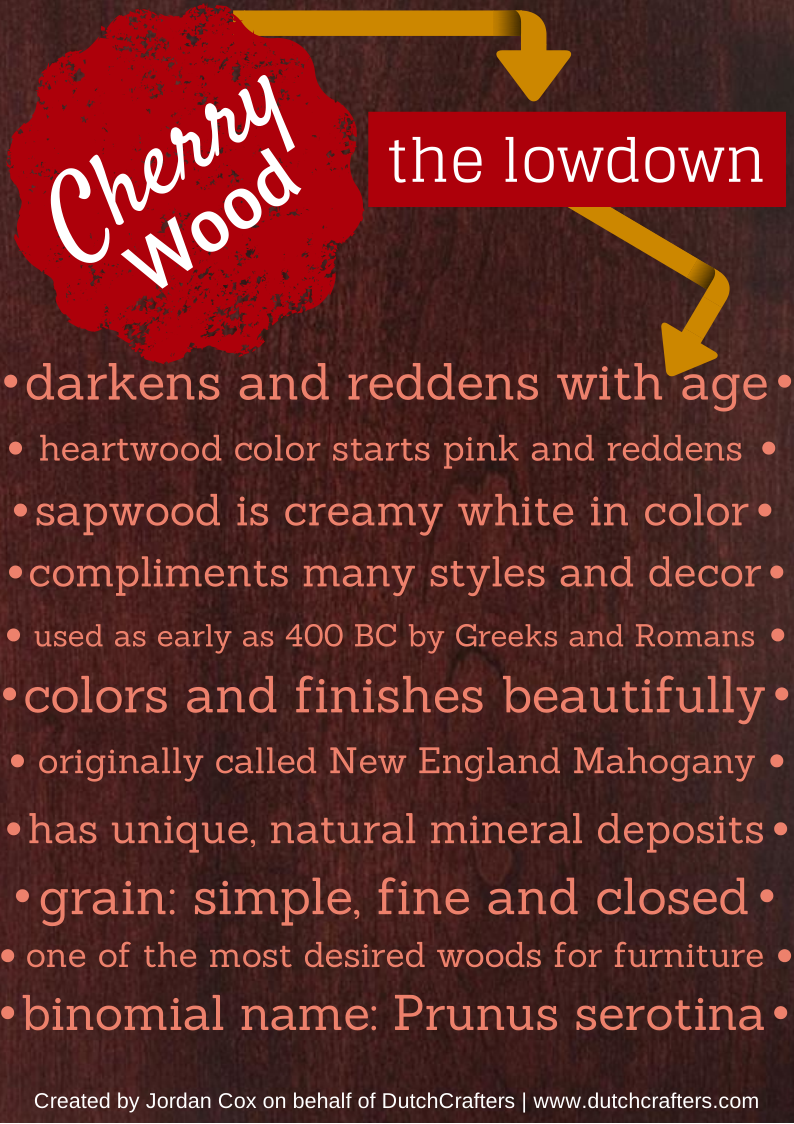
You Put Cherries On Top For A Reason! Why cherry wood? There are so many wood choices, is there really Read more
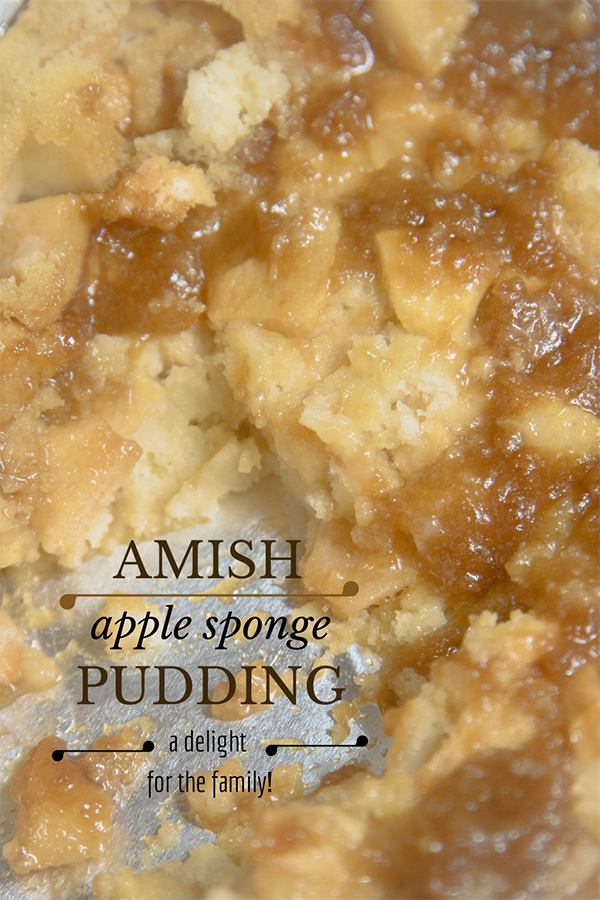
In which I use far too many italics, and redefine "pudding." I just plain do not understand how this is Read more

This blog post was updated on December 28, 2018 with new entryway table designs. It (almost) goes without saying: Your Read more
