Sinking into a soft living room sofa or working comfortably in an office chair requires quality construction and support. Just as important as the construction of the furniture is the delicate fabric or leather used to upholster it.
There are numerous options to choose from when selecting the right fabric or leather upholstery for your custom furniture. This Upholstery Buying Guide offers helpful points to consider when choosing a fabric with the sensational color and pattern you’re looking for, backed by the durability and functionality you need.
Fun with Fabric
Fabrics can be broken down into two main types: natural and synthetic. Most upholstery you’ll see is either one or a blend of both.
Natural Fabrics
Natural fabrics are made from organic materials that come from plants or animals. They tend to offer a luxurious look and feel, drape nicely, and tailor well on frames. The trade-offs? Some natural fibers, such as wool, can pill, wrinkle, or fade more quickly in direct sunlight.
Standard natural fabrics include cotton, linen, silk, and wool.
Cotton
Cotton offers good resistance to wear, fading, and pilling. How well it holds up over time depends largely on the weave and thread count. Tighter weaves and higher thread counts generally perform better.
Linen
Linen brings a crisp, tailored look that’s ideal for more formal spaces or adult-only rooms. It resists fading and pilling but tends to wrinkle and soil more easily, so it’s not the best choice for heavy-use family furniture.
Wool
Wool is naturally resilient and resists pilling, fading, and wrinkling. It’s warm and cozy, but it doesn’t breathe as well as some other fibers and may feel too warm in certain climates.
Silk
Silk has a beautiful sheen and luxe feel, but it’s best reserved for low-traffic, adult-only areas. It’s delicate, can stain easily, and typically requires professional cleaning when spills happen.
Synthetic Fabrics
Synthetic fabrics are made from man-made fibers or natural materials that have been chemically processed to enhance their performance. They’re often designed to mimic the look of natural fibers while bringing extra durability.
Synthetics tend to be lightweight, resist wrinkles, and are often more resistant to stains, sunlight, and abrasion. They’re also usually easier to clean.
Nylon, polyester, and olefin are examples of synthetic fabrics.
Performance fabrics with Crypton® or similar technology are especially popular. They’re engineered to resist stains, odors, and moisture, making them a smart choice for busy homes with kids, pets, and frequent guests.
Quality Testing for Fabric
Even the best fabric will show wear over time, but you can choose upholstery that’s designed to last. One helpful benchmark is the “double rub” rating.
In double rub testing, a special machine passes a testing pad back and forth over the fabric until it shows signs of wear. Each back-and-forth motion equals one “double rub.” A rating of 20,000 to 30,000 double rubs is considered very durable for residential use, and higher ratings are often used for commercial or heavy-use settings.
Looking at the double rub count, along with fiber content and weave, gives you a clearer picture of how a fabric will perform in daily life.
The Look of Leather
When it comes to dressing your furniture with style and durability, leather stands alone in its own category. It’s strong, naturally beautiful, and surprisingly easy to care for, typically requiring only vacuuming with a soft brush and wiping with a slightly damp cloth.
Leather often looks better with age, developing a softer feel and a rich patina where it’s been used most. It’s more durable than most fabrics, stands up well to everyday wear, and each hide is unique. Natural markings, such as wrinkles, scars, or brand marks, are an inherent part of genuine leather and tell the story of the hide.
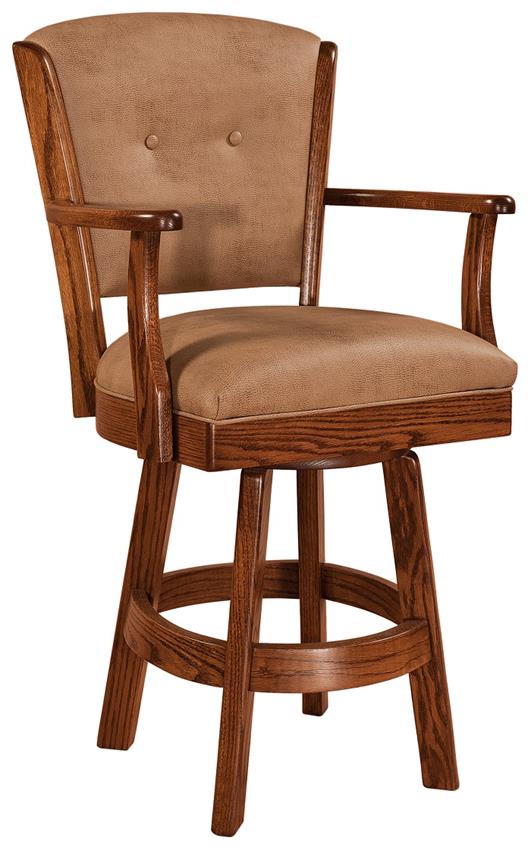
The Precedent Luna Swivel Leather Chair, for example, features full top-grain leather that showcases the hide’s natural variation.
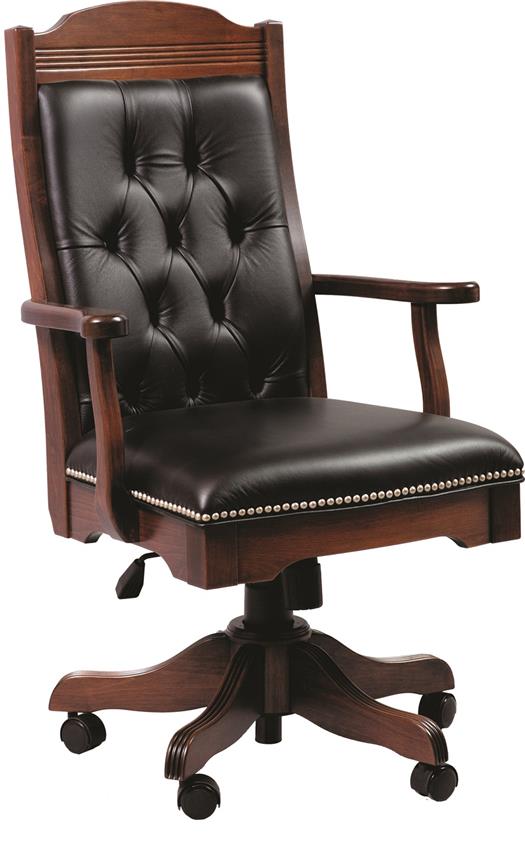
The leather seat and back on an Amish Executive Office Arm Chair will only gain more character over time, pairing comfort with a refined office look.
Faux leather is another option for those who love the look of leather but prefer a non-animal product. It starts with a fabric base that’s treated with dyes and finishes (like polyurethane or wax) to create color and texture. Faux leather tends to have a very consistent color and grain, can be produced in a wide range of hues, and typically resists fading.
Faux leather allows you to enjoy the look of leather without using an animal product. This upholstery option is made from a fabric base that is chemically treated with dye, polyurethane, or wax for color and texture. Faux leather is produced by a machine, resulting in an even, consistent color throughout. It can be dyed many colors and resists fading.
Outdoor Fabric
Outdoor fabrics have come a long way. Many are now soft enough for indoor use while still providing the durability required for outdoor use.
Sunbrella® and similar performance outdoor fabrics are:
Fade resistant
Water and mildew resistant
Easy to clean
Available in a wide range of colors and patterns
These qualities make them popular for patio furniture as well as for high-traffic indoor areas, breakfast nooks, and family rooms where spills are more likely.
Questions to Ask when Choosing Upholstery
Before you fall in love with a swatch, take a moment to think through how your furniture will actually be used. A few key questions will help narrow your choices quickly.
Who will be using this furniture?
If you’re choosing fabric for furniture that will be in a formal living room that will only be used for guests on special occasions, then natural fabrics are safe for your display. If you’re looking to finish furniture in the family room that will see daily use by the kids, visitors, and pets then a durable, stain resistant fabric is a better option.
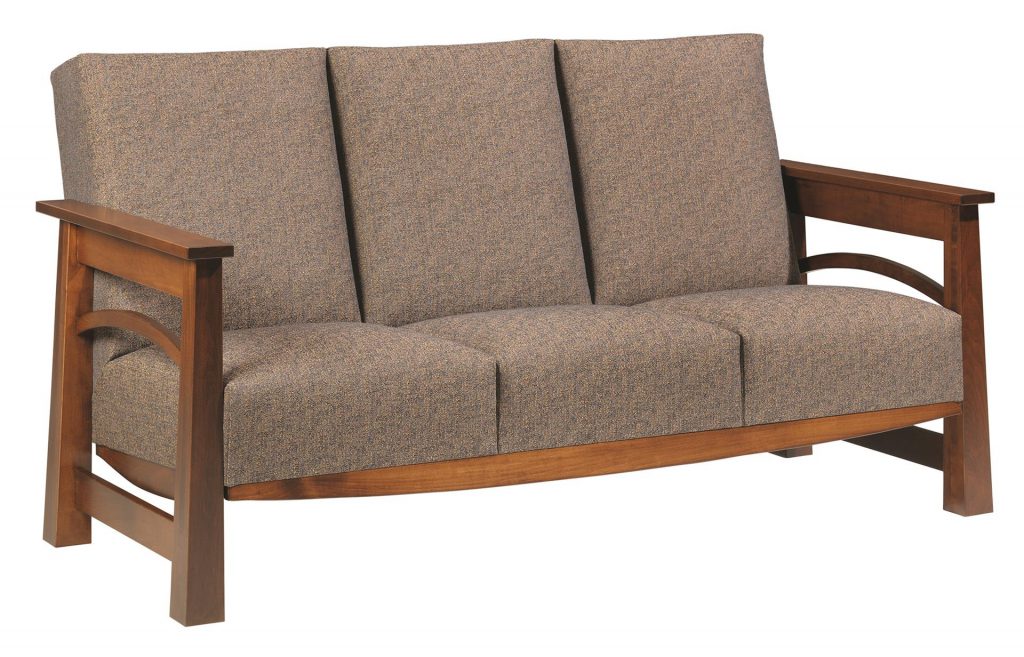
The Amish Marion Sofa will stand up to everyday use covered in the strength of our Cayenne fabric with Crypton technology woven into every fiber.
What room will it be used in?
A less durable fabric can be used in a quiet foyer or formal dining room. You will want to upholster kitchen bar stools, a living room sofa or family room ottomans with a sturdy, wear-resistant fabric.
The colors and patterns of fabrics and leathers are among the most exciting aspects of choosing new upholstery. Think about the mood of the room as well as your color palette. Are you decorating with cool colors or going for warm tones? Is this fabric for a sunny kitchen or a cozy den? Keeping these things in mind can help narrow down your selections.
The Fine Line for Fabric
There are no set rules when it comes to choosing fabric and leather for your custom furniture. The following guidelines will ensure longevity and function.
Fabric and Frame
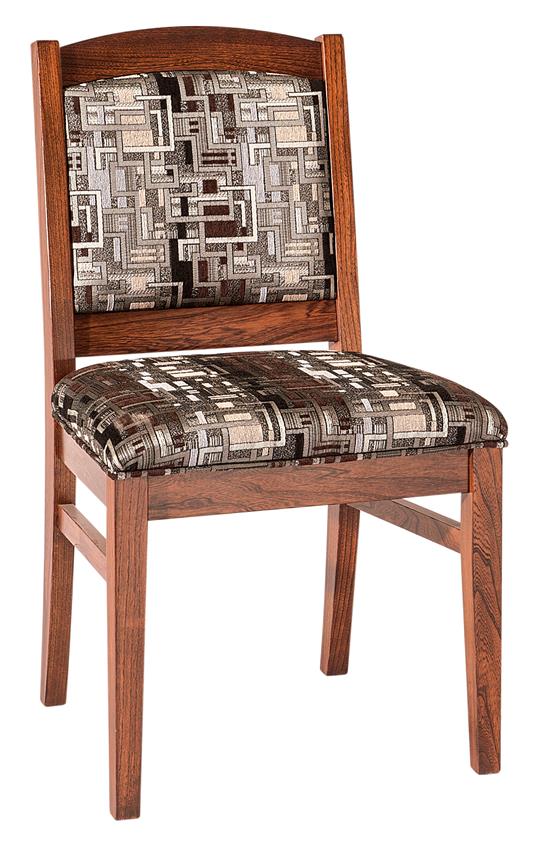
Keep in mind how fabrics and frames complement each other. You don’t want to lose the effect of the fabric with a large pattern on a small piece of furniture or have a tiny print that gets lost on a large sofa or sectional. Fabric patterns should also match the size of the room where they will be featured. Large bold patterns work best in larger rooms. Smaller patterns work well in smaller rooms.
You want fabrics that will blend well with the décor of your home. Frame styles and fabrics should stay consistent. Fabric should match the style and character of the piece it is dressing. A traditional fabric works best on a traditional style frame. Being adventurous by mixing fabric and furniture styles is fine, but it is recommended that the room style then match either the fabric style or the furniture style to keep a proper balance that allows your fabric to shine.
Choosing fabric colors is fun. Be sure to choose colors that will make you happy for a long time. Be careful of bold colors in smaller rooms or on large pieces of furniture. Neutral colors create a sense of calm and are always in style. Neutrals also let your accessories shine. Avoid delicate colors with children or pets, and remember to choose colors that fit the mood of the room.
A lovely neutral like Bisque will keep the Connor Long Sofa offering eye-catching appeal for a long time.
Five Factors to Consider
Durability
The importance of fabric durability varies depending on the piece of furniture, the room it is used in, and who will use it the most. Synthetic fabrics are stronger for furniture that is used by kids and pets. Fine fabrics with Crypton wear well, resist stain and clean up easily, allowing you to enjoy your upholstered furniture without worrying.
Color
A fun part of choosing fabric is that color helps to convey the mood you are trying to create.
Pattern
Patterns help define the character of your room’s décor and can add color.
Style
Fabric styles can enhance the frame of the furniture on which they are used and help support your décor.
Maintenance
It’s essential to choose a fabric that can withstand the demands of your household.
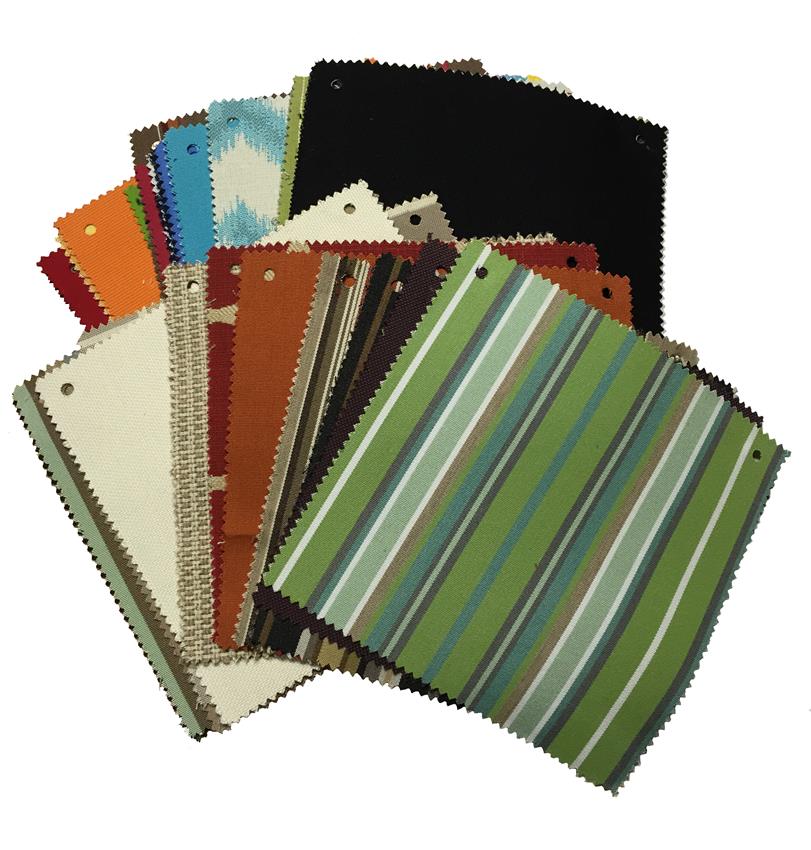
Selecting just the right upholstery can feel daunting, but it doesn’t have to be if you follow these tips. To make it even easier, we can provide samples of the fabrics you are considering to help you find the best fit for your custom furniture and home.
This blog post was updated on December 28, 2018 with new entryway table designs. It (almost) goes without saying: Your Read more
About the Author
Beth Rice
Beth Rice is a content writer for DutchCrafters Amish Furniture. She is the primary author of Timber to Table blog posts and has spent the last several years researching and providing knowledge on wood types, furniture styles, and design trends. As a busy mother of two, Beth understands the value of furniture in helping create a welcoming home for family and friends, and often writes on the ways our furniture can help support that. Beth is a published author with a gift for identifying the special moments in everyday life. Most recently, she had a short story included in Chicken Soup for the Soul's "My Amazing Mom" edition. Since 2012, the DutchCrafters Timber to Table blog has been providing customers and other readers with furniture and interior design tips, information about the Amish, and woodworkers’ stories.

 Samples